How to Use Creative Websites to Generate Innovative Ideas
Learn practical techniques to transform creative inspiration from websites into real innovative ideas. A step-by-step guide for designers and creators.
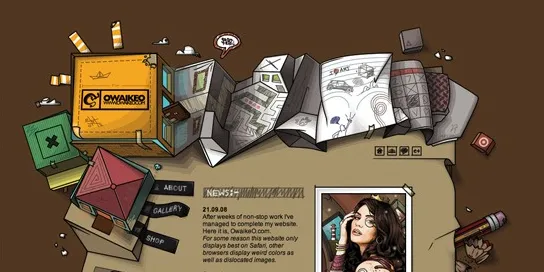

Image: Transforming digital inspiration into tangible creative ideas.
Introduction
Browsing creative websites can be endlessly inspiring, but the real challenge lies in transforming that inspiration into meaningful innovation. Many creators fall into the "inspiration trap" – consuming without creating. This guide provides practical strategies to bridge that gap, turning passive browsing into active idea generation that produces original, impactful solutions.
Whether you're designing a new product, developing a marketing campaign, or solving complex problems, these techniques will help you extract maximum value from creative platforms.
Step 1: Define Your Creative Goal with Precision
Before visiting any inspiration website, establish clear objectives to guide your exploration:
Questions to Ask Yourself:
- What specific problem am I solving? (Be as detailed as possible)
- What type of idea or solution do I need? (Concept, visual, technical, strategic)
- Who is my target audience? (Demographics, needs, preferences)
- What constraints do I face? (Budget, timeline, technical limitations)
- What emotions or responses should my solution evoke?
The Goal-Setting Framework:
- Problem Statement: Write a one-sentence description of the challenge
- Success Criteria: List 3-5 measurable outcomes for a successful solution
- Inspiration Filters: Define what to look for and what to ignore
- Time Allocation: Set specific time limits for research vs. creation
Clear goals transform aimless browsing into targeted research, dramatically increasing the relevance and usefulness of your findings.
Step 2: Observe Patterns, Not Just Individual Designs
Innovative thinking requires moving beyond surface-level appreciation to identify underlying patterns and principles:
What to Look For:
Design Patterns:
- Layout structures that effectively guide user attention
- Color schemes that evoke specific emotions or brand identities
- Typography hierarchies that enhance readability and communication
- Navigation systems that simplify complex information architecture
- Interaction patterns that improve user experience
Trend Patterns:
- Emerging visual styles gaining popularity
- Content strategies that engage specific audiences
- Technological implementations becoming industry standards
- Narrative approaches in storytelling and presentation
Innovation Patterns:
- Problem-solving approaches across different industries
- Simplification techniques for complex processes
- Personalization methods that increase engagement
- Sustainability practices in design and production
Pattern Documentation Template:
Create a simple table or digital document to track patterns:
| Pattern Type | Example Found | Source Platform | Application Potential |
|---|---|---|---|
| Navigation | Sticky sidebar with progress indicator | Awwwards | Long-form content projects |
| Color Scheme | Monochromatic with single accent color | Dribbble | Brand identity development |
| Interaction | Micro-animations on hover | Behance | Web application interfaces |
Step 3: Cross-Pollinate Ideas from Different Fields
True innovation often occurs at the intersection of disciplines. Creative websites provide the perfect opportunity to combine ideas from unrelated fields:
Intersection Strategies:
1. Thematic Combination:
- Take a visual style from architecture and apply it to digital interfaces
- Borrow storytelling techniques from film and incorporate them into product presentations
- Adapt gaming mechanics for educational applications
2. Process Adaptation:
- Apply scientific research methods to design thinking processes
- Use musical composition principles for content sequencing
- Implement culinary layering techniques in brand experience design
3. Medium Translation:
- Translate physical material textures into digital design elements
- Convert dance movements into interface animations
- Transform poetic structures into content organization systems
Implementation Exercise:
Choose three different creative fields represented on the websites you explore. For your current project, identify one element from each field that could be adapted. Create a simple concept that combines all three elements in a coherent way.
Step 4: Systematic Documentation and Experimental Development
Inspiration without action leads nowhere. Develop a systematic approach to capture, develop, and test ideas:
The Idea Development Pipeline:
1. Capture Phase:
- Use dedicated tools (Notion, Evernote, physical sketchbook)
- Capture not just images, but context, analysis, and potential applications
- Tag and categorize ideas for easy retrieval
- Include personal reflections and immediate reactions
2. Incubation Phase:
- Let ideas marinate without immediate pressure
- Return to captured inspiration with fresh perspective
- Combine multiple captured ideas into new concepts
- Discuss ideas with colleagues for additional perspectives
3. Experimentation Phase:
- Create rapid prototypes (sketches, wireframes, mockups)
- Test variations of a single concept
- Gather feedback early and often
- Document what works and what doesn't
4. Refinement Phase:
- Select the most promising direction
- Develop the concept with increasing detail
- Address potential challenges and constraints
- Prepare for implementation or presentation
Documentation Template Example:
Related Guides
Daily Habits That Boost Creativity and Innovation
Discover simple daily habits that improve creativity and develop innovative thinking for long-term success. Practical strategies for creators and professionals.
Top Websites That Inspire Creativity and Innovation in 2026
Discover the 7 best websites that inspire creativity and innovation in 2026. Perfect for designers, creators, entrepreneurs, and students seeking fresh ideas.
Tags
Want Your Business to Rank on Google?
Get a free SEO audit and grow your traffic with Dreams4U.
Get Free SEO Audit